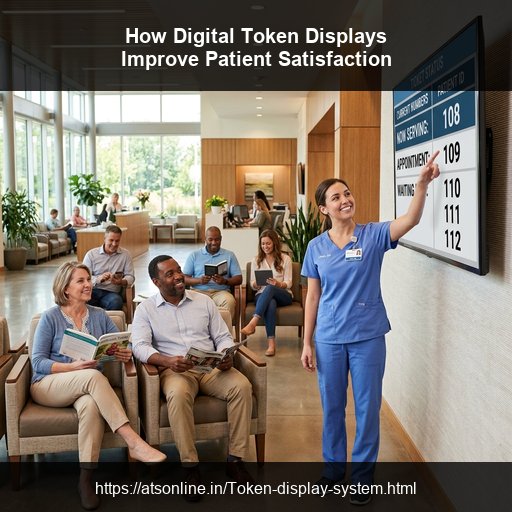
The waiting room experience is often the most critical touchpoint in determining a patient's satisfaction with a clinic or hospital. Studies consistently show that patient frustration stems not necessarily from the actual wait time, but from the *uncertainty* of the wait. When patients are left sitting in a silent lobby with no idea when their name will be called, anxiety levels rise. Implementing a **Digital Token Display System** directly addresses this, turning frustrating wait times into a transparent, structured, and pleasant experience.
Psychological Impact of Waiting Room Uncertainty
In healthcare administration, unoccupied time feels longer than occupied time, and unexplained waits feel longer than explained waits. Without a digital queue screen, patients are forced to sit in hyper-vigilance, worried that if they step away to use the washroom or get water, they might miss their turn. A digital token board removes this mental strain by clearly stating the active numbers and counter destinations.
How Digital Token Screens Boost Patient Satisfaction
Digital display systems improve the waiting room environment in several distinct ways:
1. Establishes Visual Transparency
When patients walk in and see a modern Smart TV showing a clear list of active tokens (e.g. "Token 12 - Doctor Cabin 1", "Token 14 - Doctor Cabin 2"), they immediately understand that the patient flow is being handled fairly and systematically. It builds instant trust in the clinic's operational integrity.
2. Creates a Peaceful Lobbies (Noise Reduction)
In traditional waiting rooms, staff must loudly call out patient names or hand-deliver files to doctor cabins. This creates a noisy, chaotic environment. A digital display coupled with a gentle voice announcement system calls out tokens automatically. This reduces noise pollution, leading to a much calmer, quieter waiting area.
3. Empowers Patient Freedom
Knowing their approximate position in the queue allows patients to plan their wait. If a patient sees that their token is still 10 numbers away, they can comfortably sit in the cafeteria or visit the hospital pharmacy instead of standing outside the consultation room door.
4. Promotes Health Awareness (Infotainment)
Modern cloud-based queue screens do not just display numbers. Healthcare providers can split the screen to show educational health videos, doctor schedules, wellness tips, or general news. This keeps patients occupied, making the wait time feel significantly shorter.
Integrating Display Systems with Billing and POS
For outpatient clinics and large hospitals, synchronizing the queue display with other operational software is crucial. For example, a patient check-in at registration can automatically trigger a token print. Linking this to an administrative software, such as a front desk PMS or restaurant Table Service POS for cafeteria integration, ensures that the same token ID traverses all service counters seamlessly.
With SaaS-based platforms like ATSonline MyTokenDisplay, clinics can run their queue calling interface directly from existing devices (PCs, phones, tablets) and display queues on standard Smart TVs over Wi-Fi, keeping initial setup costs remarkably low.
Frequently Asked Questions (FAQs)
Q1: How does a digital token display reduce patient waiting anxiety?
A digital token display board shows the exact active token number and the sequence of upcoming tokens. By replacing ambiguous waiting with transparent visual queues, patients feel in control of their time, significantly lowering their anxiety.
Q2: Can digital token screens display other information besides token numbers?
Yes, cloud-based token software like ATSonline allows hospitals to display health awareness messages, ticker news, doctor availability tables, and hospital notices alongside the live token number calling grid.
Q3: Does improving queue management directly impact patient satisfaction scores?
Yes, studies show that waiting room experience and perceived wait time are primary factors in patient satisfaction. An organized, quiet waiting hall with smart token displays directly leads to higher hospital ratings and patient reviews.