Waste Reduction: Categorized Scrap Logs, Expiry Alerts & Margin Recovery
October 8, 2026 in Food Cost & Inventory Management
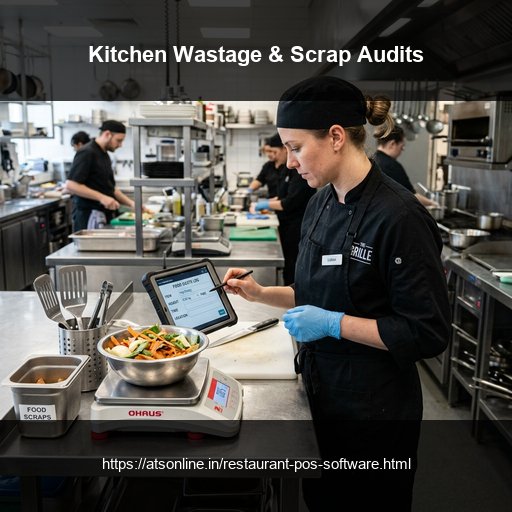
The Dark Reality of Kitchen Waste: Money Straight into the Dumpster
In almost every commercial restaurant kitchen, hundreds of kilograms of usable food end up in trash cans every single week. Because busy line cooks are focused on cooking speed rather than cost accounting, burned steaks, over-salted soups, dropped plates, and expired dairy cartons are quietly discarded without anyone recording the financial loss.
This failure of kitchen documentation produces severe operational distortions:
- Corrupted Inventory Records: When 5 kg of paneer spoils and is discarded unrecorded, the POS still thinks the paneer is in the walk-in cooler, leading to unexpected rush-hour stockouts.
- Normalized Kitchen Sloppiness: When line cooks know that burning expensive proteins carries zero supervisory accountability, careless cooking habits become normalized.
- Expired Perishables & Food Safety Risks: Without automated FIFO (First-In, First-Out) shelf-life tracking, older dairy and poultry cartons get pushed to the back of the shelf, spoiling past usable dates.
How Structured Digital Wastage Tracking Works
ATS Cloud Restaurant POS incorporates an intuitive, frictionless Kitchen Wastage Logging module accessible directly from kitchen prep screens or manager tablets:
- Categorized Waste Reason Codes: Staff log discarded items in seconds by tapping pre-configured reason tags: 'Cooking Error / Burned', 'Spoilage / Expiry', 'Prep Trimming Excess', 'Customer Return / Complaint', or 'Chef Tasting'.
- Real-Time Gram & Kilogram Logging: Connect digital Bluetooth kitchen scales to capture exact scrap weights automatically, or enter quantities via touch number pads.
- Instant Stock Balance Correction: Logging 2.5 kg of spoiled chicken immediately decrements the item from active inventory records while tagging the financial expense to the kitchen wastage account rather than unbilled variance.
- Automated Shelf-Life & Expiry Alerts: Ingredients logged during receiving are assigned expiry timestamps. The POS notifies kitchen supervisors 24 hours before perishables reach critical expiration thresholds, enabling chefs to run daily specials.
Turning Waste Data into Actionable Kitchen Training
Data without action changes nothing. ATS POS provides comprehensive daily and weekly waste analytics dashboards.
Head chefs and restaurant general managers can review weekly waste reports broken down by shift, station, and item value. If the grill station wastes ₹8,000 worth of steak on Tuesday shift, kitchen leaders can retrain specific line cooks on cooking temperatures and portion standards, transforming kitchen waste data into an engine of operational excellence.
Comparison Matrix
| Wastage Practice | Unrecorded Trash Bin Discards | ATS Digital Kitchen Wastage Auditing |
|---|---|---|
| Wastage Documentation | Invisible; tossed into kitchen bins without record | Logged in 5 seconds with structured reason codes |
| Inventory Balance Impact | Discrepancy appears as mysterious stock theft | Inventory balances adjusted cleanly with audit trail |
| Cook Accountability | Zero personal accountability for burned food | Station-level visibility builds kitchen pride & discipline |
| Shelf-Life Expiry Management | Ingredients spoil quietly at back of walk-in | Automated 24-hour proactive expiry warning alerts |
| Margin Impact | Unchecked 3% to 5% loss of gross food revenue | Recovers thousands monthly through waste reduction |
Frequently Asked Questions
How long does it take kitchen staff to log a wasted item in ATS POS?
It takes under 10 seconds. Staff select the ingredient, tap the reason code (e.g., Burned, Expired), and enter the weight on a touchscreen.
Does logging kitchen waste affect our restaurant's food cost reporting?
Yes. The system attributes the waste to a dedicated 'Wastage Expense' account, separating unavoidable culinary scraps from mysterious stock shrinkage and pilferage.
Can the system alert us before dairy or meats expire?
Yes. When raw materials are received with expiry dates, ATS POS sends automated alert notifications to kitchen supervisors 24 to 48 hours in advance.
Can managers lock wastage logging behind supervisor PIN authorization?
Yes. You can require manager PIN approval for high-value wastage entries (such as whole meats, expensive seafood, or imported cheeses).
Ready to Modernize Your Operations?
Transform your business with enterprise-grade restaurant POS solutions from ATS Online. Get real-time cloud control, rapid customer checkouts, automated recipe costing, and 100% operational uptime.
Or call our restaurant tech specialists directly at: +91-9810078010
Conclusion
Food waste is the single most expensive habit in commercial kitchens, but it remains invisible until operators implement structured, daily digital tracking. By recording waste categories, setting shelf-life expiry alerts, and conducting daily scrap audits with ATS Online, restaurants recoup thousands in lost food margins every month.
Upgrade to ATS hospitality POS and automation solutions today. Visit ATS Cloud Restaurant POS, call us at +91-9810078010, or email ats.fnb@gmail.com for live product demonstrations.
Related Reading
- How Cloud Restaurant POS Software Drives Speed, Higher Margins, and Multi-Outlet Scale
- Smart Inventory and Recipe Costing: How Restaurants Stop Food Waste and Protect Margins
- Central Kitchen and Commissary Management: How Restaurant Chains Streamline Multi-Store Supply Chains
- Kitchen Display Systems (KDS) vs. Paper KOTs: Accelerating Kitchen Turnaround Time