Food Cost Control: Dynamic Bill of Materials, Waste Tracking & Variance Audits
September 29, 2026 in Recipe & Inventory Management
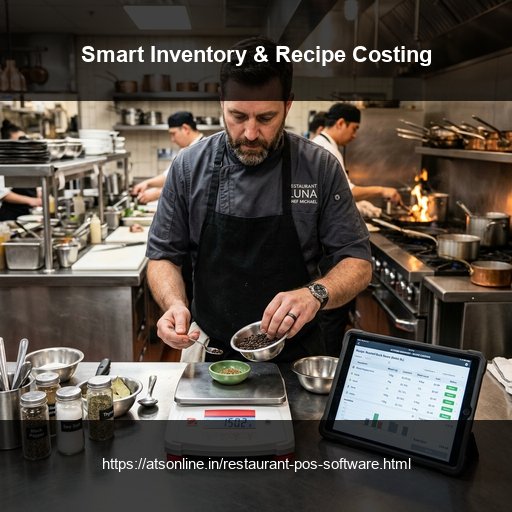
The Silent Profit Drain: Why Traditional Restaurant Inventory Fails
In most independent restaurants, inventory management consists of a tired kitchen supervisor walking through the walk-in freezer with a clipboard at midnight. This manual, periodic stock counting approach creates a dangerous lag of days or weeks before management detects that food costs have spiked.
Without granular, real-time recipe costing, restaurants routinely leak 5% to 15% of gross revenue through three primary channels:
- Uncontrolled Kitchen Portioning: Line cooks over-portion proteins, cheese, and expensive cooking wines because prep spoons and scales are ignored.
- Unrecorded Food Waste & Spoilage: Expired dairy, bruised produce, or scorched batches are quietly discarded into trash bins without being logged as kitchen wastage.
- Staff Pilferage & Unbilled Prep: Raw ingredients walk out the back door, or staff prepare unrecorded meals for themselves without supervisory authorization.
How Dynamic Recipe Bill of Materials (BOM) Solves Cost Variance
ATS Cloud Restaurant POS incorporates an enterprise-grade Recipe & Inventory Engine that establishes a strict digital chain of custody for every raw ingredient:
- Sub-Recipe and Finished Dish Mapping: Build nested recipe cards. For example, a 'Pizza Margherita' automatically consumes 180g of pizza dough (a prepped sub-recipe), 80g of San Marzano tomato sauce, 120g of fresh mozzarella, and 5ml of extra virgin olive oil.
- Real-Time Automated Consumption: Every time a waiter punches an order or an online delivery order is accepted, raw material quantities are instantly decremented from active stock ledgers.
- Theoretical vs. Actual Variance Reporting: The system compares ideal ingredient consumption (what should have been used based on sales) against physical stock counts. Any discrepancy in meat, dairy, or liquor is immediately flagged for investigation.
- Low-Stock Triggers and Automated POs: When butter drops below 5kg, the POS alerts management and drafts a digital Purchase Order for designated vendors.
Dynamic Menu Engineering for Maximum Profitability
With fluctuating ingredient market prices, menu items that were profitable six months ago may now be losing money. ATS Recipe Costing tracks live ingredient purchase prices from incoming vendor bills and automatically recalculates the plate cost of every menu offering.
Restaurant owners can categorize dishes using the classic Boston Matrix (Stars, Plowhorses, Puzzles, and Dogs): identifying high-margin crowd favorites to highlight in menus, and redesigning or repricing unprofitable dishes that drag down operational margins.
Comparison Matrix
| Inventory Practice | Manual End-of-Month Clipboard | ATS Automated Recipe & Inventory Engine |
|---|---|---|
| Consumption Tracking | Periodic guesswork after stock is gone | Instant real-time deduction per dish billed |
| Waste Tracking | Untracked kitchen throwaways | Categorized waste logs (Spoilage, Burning, Training) |
| Variance Detection | Undetected until monthly P&L reveals losses | Daily theoretical vs. actual stock discrepancy reports |
| Recipe Costing Accuracy | Static calculations done once on launch | Dynamic real-time re-costing based on latest vendor bills |
| Purchase Requisitions | Frantic emergency local retail purchases | Automated low-stock re-order thresholds with vendor POs |
Frequently Asked Questions
How does recipe costing software help reduce food costs?
Recipe costing software maps every dish to exact gram-level raw material quantities. By tracking real-time deductions against physical counts, operators identify portion drift, kitchen waste, and pilferage, reducing food costs by 3% to 8%.
Can the system handle sub-recipes like stocks, sauces, and doughs?
Yes. ATS POS supports multi-level nested recipes, allowing you to prepare base gravies or bakery doughs as batch items and consume them across multiple finished menu dishes.
How does ATS POS handle fluctuating market prices for raw vegetables and poultry?
When new vendor delivery bills are entered into the system, the software automatically recalculates current food costs using weighted average costing, alerting you when dish margins drop below your target threshold.
Can staff log burnt or dropped food without billing a customer?
Yes. Kitchen staff can record structured wastage logs detailing the item, quantity, and reason (spoilage, dropped plate, chef tasting) so inventory balances remain 100% accurate.
Ready to Modernize Your Operations?
Transform your business with enterprise-grade restaurant POS solutions from ATS Online. Get real-time cloud control, rapid customer checkouts, automated recipe costing, and 100% operational uptime.
Or call our restaurant tech specialists directly at: +91-9810078010
Conclusion
Food cost is the single largest controllable variable expense in restaurant operations. By replacing manual clipboards and guesswork with ATS Online's real-time recipe costing and variance auditing, restaurant owners gain complete transparency over every gram of raw material, protecting profitability against inflation and shrinkage.
Upgrade to ATS hospitality POS and automation solutions today. Visit ATS Cloud Restaurant POS, call us at +91-9810078010, or email ats.fnb@gmail.com for live product demonstrations.
Related Reading
- How Cloud Restaurant POS Software Drives Speed, Higher Margins, and Multi-Outlet Scale
- How Direct Swiggy and Zomato POS Integration Eliminates Tablet Chaos and Order Errors
- Smart Inventory and Recipe Costing: How Restaurants Stop Food Waste and Protect Margins
- Kitchen Display Systems (KDS) vs. Paper KOTs: Accelerating Kitchen Turnaround Time