Speed Up Food Courts: Cashless Billing & Software Solutions
January 29, 2025 in View Product
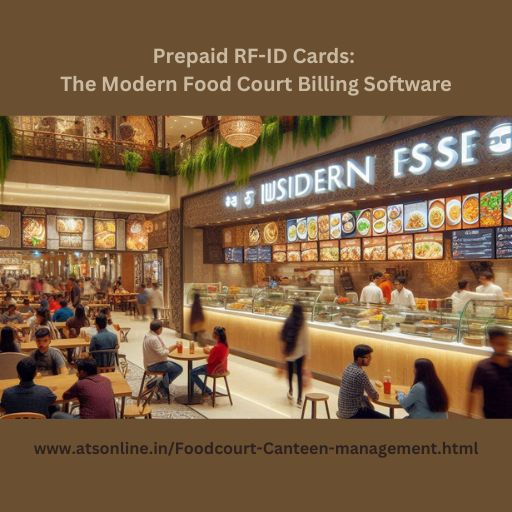
Tired of long food court lines? Discover how cashless payments and billing software can dramatically speed up transactions, boost efficiency, and delight customers. Learn more now!
Modern food courts are vibrant and bustling spaces, yet often plagued by long queues and slow payment processes. Traditional cash-based systems contribute to these bottlenecks, frustrating customers and hindering efficiency. Imagine a food court where transactions are swift, lines disappear, and diners can focus on enjoying their meals. This is the reality offered by prepaid card cashless operations combined with robust food court billing software.
This innovative approach is revolutionizing food court management, creating a win-win scenario for both customers and operators. By adopting modern billing software with prepaid card support, food courts can transform into streamlined, efficient, and customer-centric environments. This article explores this system, highlighting its advantages over traditional methods and ushering in a new era of food court management.
Key Benefits:
- Faster Transactions: Cashless payments dramatically reduce wait times.
- Improved Efficiency: Automate billing, tracking, and reporting, freeing up staff.
- Enhanced Customer Experience: Offer seamless payments, boosting satisfaction and loyalty.
This shift represents a fundamental change in food court operations, embracing technology to optimize every business aspect. For those seeking solutions to reduce lines in food courts, the answer lies in adopting innovative solutions like robust billing systems with prepaid cashless options.
Understanding the Challenges of Traditional Food Court Billing
Traditional food court billing methods present significant pain points that impact profitability and customer satisfaction.
The Problem with Cash: Slowness and Inefficiency
Cash transactions, while universal, are slow in fast-paced food courts. Each transaction involves multiple steps: order taking, calculation, cash handling, change making, and receipt issuance. These steps accumulate, leading to long queues, frustrated customers, and potential revenue loss as impatient diners leave. Cash handling is also error-prone, causing discrepancies and financial losses. "Cashless transaction technology" and "quick service restaurant (QSR) solutions" offer effective remedies.
Managing Multiple Vendors: A Billing Complexities
Food courts host numerous independent vendors, creating billing complexities. Traditional methods struggle with:
- Reconciliation Challenges: Manually reconciling cash from multiple vendors is time-consuming and complex.
- Lack of Real-Time Insights: Real-time sales data per vendor is often absent, hindering performance assessment and informed decisions.
- Difficult Revenue Distribution: Ensuring fair revenue distribution among vendors is challenging without a streamlined system.
These issues underscore the necessity for "food hall payment solutions" and systems tailored for "food court operations."
The Need for Speed and Efficiency
Speed is critical in food courts. Customers expect quick service, and delays, often due to slow cash-based billing, lead to dissatisfaction. "Improving food court efficiency with technology" is essential for competitiveness. Slow payments reduce customer throughput, impacting vendor earnings and overall food court success. Solutions are needed to address "How to manage food court vendor payments efficiently?" and provide faster, convenient options.
These challenges drive the shift towards modern solutions, particularly cashless payment systems for food courts. Understanding these pain points highlights the transformative potential of billing software and prepaid cashless operations.
What is a Prepaid Card Cashless Operation?
Prepaid card cashless operation offers a modern, efficient, and customer-friendly alternative to traditional cash billing.
Defining Prepaid Card Systems
Prepaid card systems utilize stored-value cards, similar to gift cards, loaded with funds for use at food court vendors. It's a digital wallet for the food court, a "rechargeable card system" or a "stored value card system."
How it works:
- Card Acquisition: Customers obtain cards from kiosks or service counters.
- Loading Funds: Cards are loaded with cash, credit/debit cards, or mobile payments.
- Making Purchases: Cards are presented at vendor POS terminals.
- Transaction Processing: The POS deducts the purchase amount from the card.
- Reloading: Customers can reload cards as needed.
Cashless Operation in Food Courts
Cashless operation eliminates physical cash transactions using prepaid cards integrated with the food court's Point of Sale (POS) system, a crucial element of an effective food court billing system.
Detailed Breakdown:
- Customer Orders: Customer places an order at a vendor.
- POS Interaction: Vendor enters the order into the POS terminal.
- Card Presentation: Customer presents the prepaid card to the reader.
- Transaction Authorization: POS verifies card balance with a central server.
- Balance Deduction: If funds are sufficient, the transaction is approved, and the balance is reduced.
- Confirmation: POS displays confirmation, and a receipt is issued.
This seamless process accelerates transactions, enhances security, and minimizes errors.
Integration with Food Court Billing Software
Prepaid cashless operation's true power lies in its integration with comprehensive food court billing software. This software acts as the central system, unifying transactions, sales data, and crucial information. It's a key aspect of "food court billing software with integrated prepaid cards."
Integration Functionality:
- Centralized Database: Software manages prepaid card data, balances, transaction history, and customer details.
- Real-Time Synchronization: POS terminals communicate with the software in real-time, updating balances and recording transactions.
- Automated Reporting: Software generates sales, revenue, and metric reports.
- Vendor Management: System tracks individual vendor sales, simplifying revenue distribution and analysis.
This integration transforms food courts, creating a connected ecosystem that streamlines operations, enhances customer experience, and provides data for informed decisions. The right software answers questions like: "What is the best food court billing software for multiple vendors?"
Understanding prepaid cashless operation and its software integration reveals the numerous benefits it offers.
The Benefits of Implementing Food Court Billing Software with Prepaid Card Cashless Operation
Adopting food court billing software with prepaid cashless operation delivers significant benefits, transforming the food court experience.
Faster Transactions and Reduced Queues
Cashless payments dramatically reduce transaction times. Studies show cashless transactions can be up to 50% faster than cash. This translates to shorter queues, faster service, improved customer satisfaction, and increased revenue potential – a key factor in "how to reduce lines in a food court."
Improved Efficiency for Food Court Operators
Billing software automates time-consuming tasks, boosting efficiency.
- Automated Sales Tracking: Real-time sales data eliminates manual tracking and errors.
- Streamlined Reporting: Comprehensive reports provide insights for informed decisions.
- Simplified Vendor Management: Easy revenue distribution and performance monitoring.
- Inventory Management: Some solutions offer inventory tracking, minimizing waste.
This automation frees staff for customer service and food preparation, enhancing overall efficiency, making it a top "restaurant management system" and crucial for "food court management". Some offer "food court billing software with inventory management."
Enhanced Customer Experience
Customers value convenience and speed. Prepaid cashless operation delivers:
- Convenience: No need for cash or exact change.
- Speed: Faster transactions and shorter wait times.
- Budgeting: Prepaid cards help manage spending.
- Loyalty Programs: Rewards programs enhance customer retention, a key benefit of "customer loyalty program software".
These factors create a positive experience, encouraging repeat business.
Better Financial Management and Reporting
Detailed data provides unprecedented insights.
- Real-Time Sales Data: Monitor sales trends and vendor performance, a crucial aspect of "food court billing software with real-time reporting."
- Customized Reports: Detailed information on sales, customer behavior, and metrics.
- Data-Driven Decision Making: Informed decisions on pricing, promotions, and strategy.
This level of financial control is impossible with traditional cash methods.
Reduced Errors and Theft
Cash handling is error-prone and susceptible to theft. Cashless systems minimize these risks.
- Minimized Errors: Automated processing eliminates counting errors.
- Enhanced Security: Prepaid cards offer PIN protection and blocking for lost cards.
- Reduced Theft: Less cash on hand reduces theft risks.
This provides peace of mind for operators and customers.
Increased Sales Through Promotions and Loyalty Programs
Billing software often includes tools for promotions and loyalty programs, driving sales and engagement, directly answering the need for "how to increase food court sales with promotions."
- Targeted Promotions: Promotions based on customer data.
- Loyalty Rewards: Points and perks for repeat customers.
- Increased Customer Spend: Incentives to spend more per visit.
These marketing tools attract and retain customers, boosting profitability, making billing software a valuable tool.
Key Features to Look for in Food Court Billing Software
Choosing the right software is crucial. Key features include:
Real-Time Sales Tracking and Reporting
Essential for informed decisions and optimization. Look for:
- Live Dashboard: Real-time sales data display.
- Customizable Reports: Reports on sales trends, customer behavior, addressing "food court billing software with real-time reporting."
- Data Export: Data export for analysis and integration.
These features empower data-driven decisions.
User-Friendly Interface for Staff
Simplicity is key. The software should have:
- Staff Interface: Intuitive POS interface, contributing to an "easy to use food court POS system."
- Customer Interface: Easy-to-use kiosks or displays.
- Touchscreen Optimization: Optimized for touchscreen terminals.
A well-designed interface enhances efficiency.
Inventory Management Capabilities
Essential for minimizing waste. Look for "food court billing software with inventory management":
- Real-Time Tracking: Accurate stock level overview.
- Automated Ordering: Automatic purchase orders when stock is low.
- Waste Tracking: Track food waste to reduce costs.
These features optimize inventory and improve profitability.
Careful consideration of these features ensures the right software selection for cashless success.
Implementing Prepaid Card Cashless Operation: A Step-by-Step Guide
Transitioning to a cashless system can be smooth with careful planning.
- Choosing the Right Food Court Billing Software
Crucial for system foundation, informing "how to choose food court billing software."
- Needs Assessment: Assess vendor count, transactions, current POS, budget.
- Research: Explore software providers, features, reviews.
- Demos and Trials: Test software firsthand.
- Vendor Compatibility: Ensure compatibility with prepaid card system and hardware.
- Cost Comparison: Compare pricing and ongoing fees, considering the "cost of implementing food court billing software."
- Final Decision: Select the best software for needs and budget.
- Setting Up the Hardware (POS Terminals, Card Readers)
Hardware setup is essential, answering "what hardware is needed for a cashless food court system."
- POS Terminals: Purchase compatible touchscreen terminals.
- Card Readers: Select compatible card readers.
- Network Infrastructure: Ensure reliable internet.
- Installation: Install hardware following instructions.
- Training Your Staff
Proper training is key, addressing "training staff on new food court billing software."
- Comprehensive Training: Cover all software aspects.
- Hands-On Practice: Simulated practice before going live.
- Ongoing Support: Help desk, resources, refresher training.
These steps ensure successful cashless implementation, though ongoing monitoring and adjustments may be needed.
Case Studies: Success Stories of Food Courts Using Cashless Systems
Real-world examples demonstrate the benefits of cashless systems, showing "food courts using cashless systems successfully."
Case Study 1: University Food Court - Increased Throughput and Sales
A university food court implemented cashless and saw:
- 40% Reduced Transaction Time
- 25% Increased Throughput
- 15% Sales Increase
- Positive Student Feedback
Case Study 2: Mall Food Court - Improved Customer Loyalty and Spending
A mall food court with loyalty program integration saw:
- 30% Loyalty Program Enrollment
- 20% Higher Average Spend (loyalty members)
- 10% Increase in Repeat Customers
- Positive Customer Feedback
Case Study 3: Corporate Campus Food Court - Streamlined Operations and Reduced Costs
A corporate campus food court saw:
- Reduced Labor Costs
- Minimized Cash Handling Errors
- Faster Reconciliation
- Improved Security
These case studies show tangible benefits: improved efficiency, revenue, and customer satisfaction.
Conclusion: Embrace the Future with Food Court Billing Software and Prepaid Cards
The food court industry is transforming towards efficiency and enhanced customer experience. Billing software and prepaid cashless operation are leading this evolution, addressing traditional billing challenges and paving the way for innovation.
By embracing this technology, food courts gain:
- Faster Transactions
- Improved Efficiency
- Enhanced Customer Experience
- Better Financial Management
- Reduced Costs and Increased Security
Case studies demonstrate the positive impact across various food courts. Future trends like mobile wallet integration and AI will further enhance billing software capabilities.
The future of food court billing is cashless and software-powered. Embracing "technology in food courts" by adopting billing software with prepaid cashless operation is an investment in long-term success, transforming food courts into efficient, customer-centric, and profitable hubs. Embrace the future and make the leap to this modern solution.
We hope you enjoyed reading our blog posts about food court and canteen prepaid card billing solutions. If you want to learn more about how we can help you manage your food court business, please visit our website here. We are always happy to hear from you and answer any questions you may have.
You can reach us by phone at +91–9810078010 or by email at ats.fnb@gmail.com. Thank you for your interest in our services.
FAQs with answers:
- Question : How can cashless systems reduce food court lines and wait times?
Answer : Cashless systems, especially prepaid cards, speed up transactions significantly compared to cash. Faster payments mean shorter queues, quicker service, and happier customers enjoying their meals sooner. Reduced transaction times boost overall food court efficiency. - Question : What are the key benefits of food court billing software for operators?
Answer : Food court billing software offers numerous benefits: automated sales tracking & reporting, streamlined vendor management, reduced cash handling errors, real-time data insights for better decision-making, improved operational efficiency, and enhanced financial control leading to increased profitability. - Question : Are prepaid cards easy for food court customers to use?
Answer : Yes, prepaid cards are very user-friendly! Customers simply load funds and tap or swipe to pay. They eliminate the need for cash, offer faster transactions, and can even help with budgeting. Reloading is also quick and convenient, enhancing the overall dining experience. - Question : What features to look for in food court billing software?
Answer : Key features include real-time sales tracking & reporting, user-friendly staff & customer interfaces, robust vendor management tools, comprehensive inventory management capabilities, and seamless integration with prepaid card systems for efficient cashless operations. - Question : How does cashless billing improve food court efficiency?
Answer : Cashless billing automates many manual tasks. It streamlines payment processing, simplifies reconciliation, reduces errors from cash handling, and provides real-time sales data. This automation frees up staff to focus on customer service and food preparation, boosting overall efficiency.
6. Question : Is implementing cashless in food courts expensive? What about ROI?
Answer : Initial investment in software and hardware is required, but the ROI is significant. Reduced labor costs, increased throughput, higher sales, minimized errors, and improved customer loyalty quickly offset the initial expense, making it a worthwhile investment for long-term profitability.
Cashless Card Payment System for Canteen and Food Court
Upgrade your establishment with our Prepaid Card Software and take your business to the next level.
Thank you for reading our blog. We hope you found the information helpful. If you have any further questions or would like to know more about our services, please visit our website www.atsonline.in, give us a call at +91-9810078010, or send us an email at ats.fnb@gmail.com. At Advance Technology Systems, we're always happy to help